We started our Biltmore day like everyone tells you to: with the self‑guided tour through “America’s Largest Home,” letting the audio guide whisper Gilded Age gossip in our ears while we wandered from room to room. By the time we stepped back out onto the front lawn, our brains were full of Vanderbilts, wall tapestries, and “can you imagine living here?”
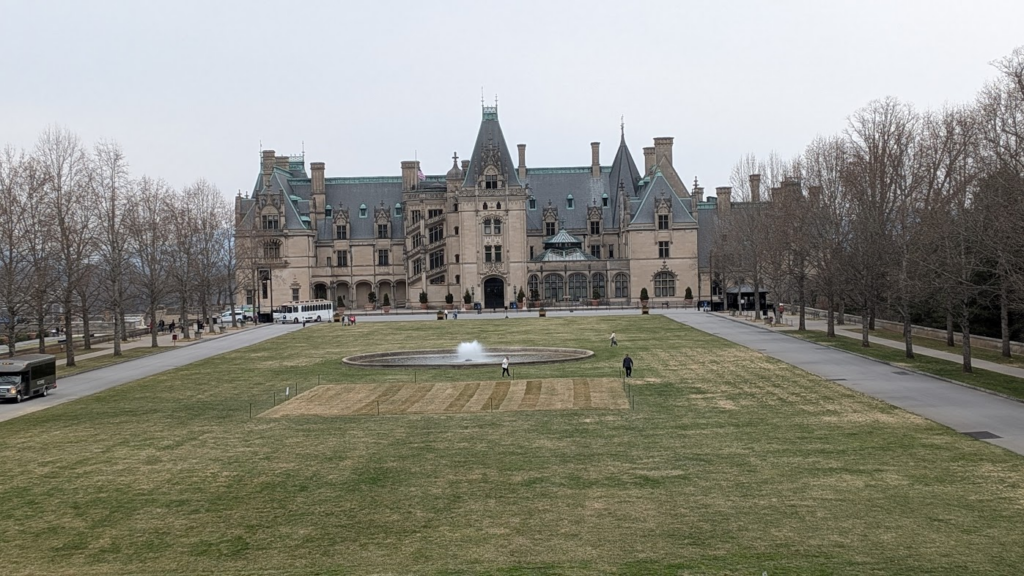
Inside the house
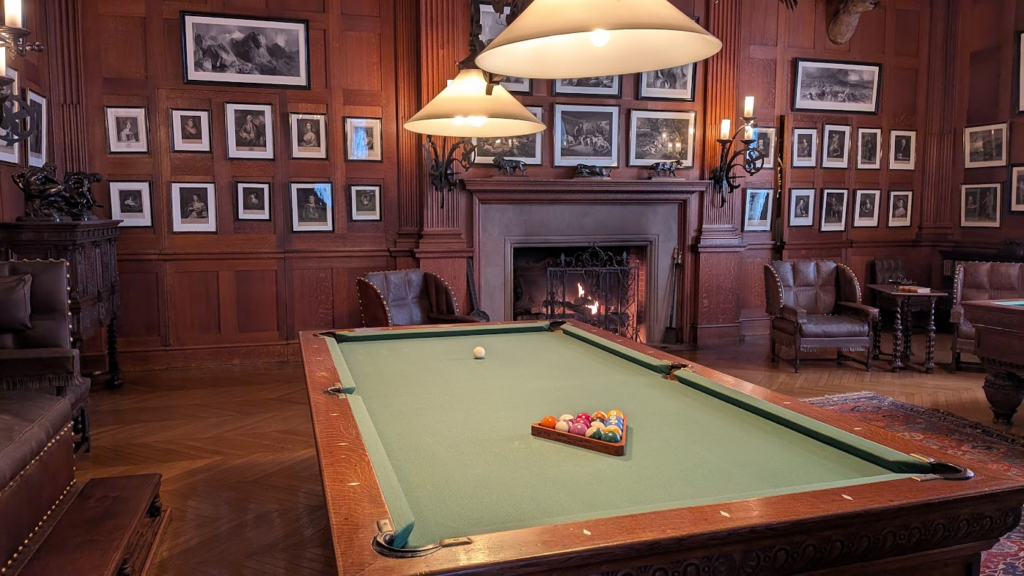
The audio tour turned what could have felt like just walking through a gigantic, fancy museum into something way more personal. Every new room came with a story—who slept there, who partied there, how the staff pulled off these over‑the‑top dinners—and suddenly the house felt like a snapshot of real lives instead of just a pile of antiques.
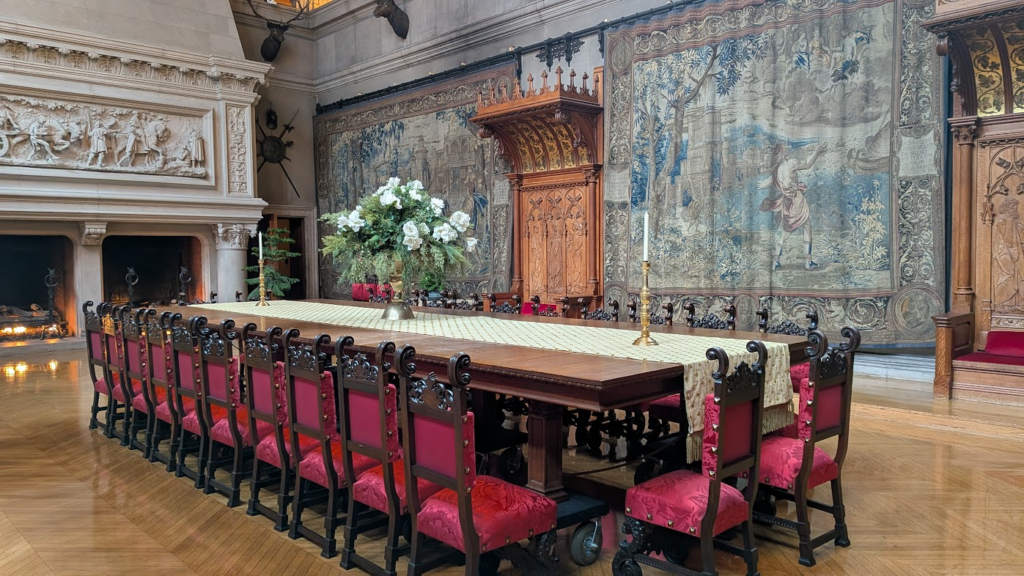
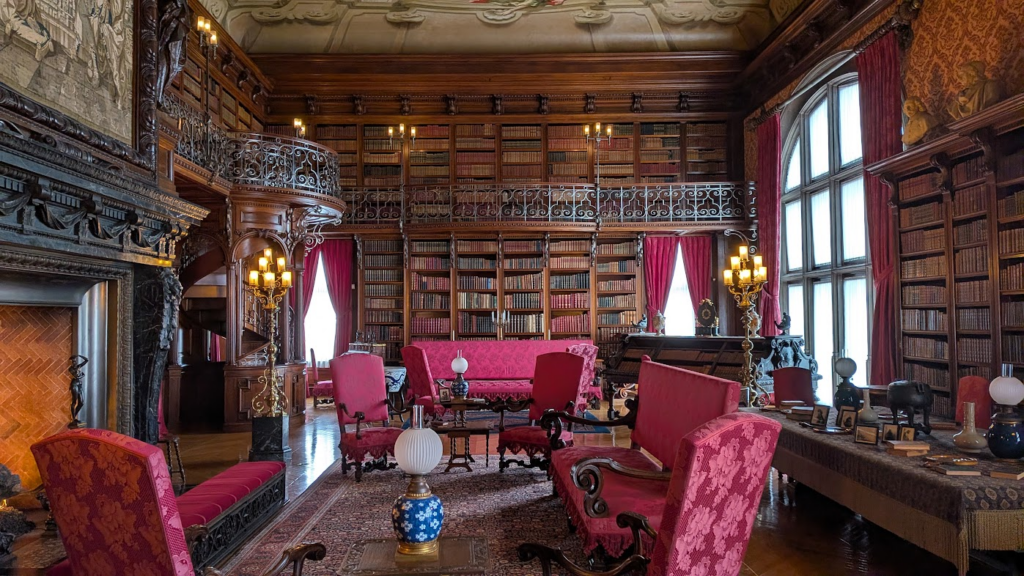
We kept trying to pick our “if you had to live in one room” favorite. One minute it was the library with its floor‑to‑ceiling books, the next it was one of the sunny sitting rooms where you could totally picture yourself reading all afternoon while pretending you also own 8,000 acres. The best part of the tour, though, was that we could go at our own pace, pause when something caught our eye, and skip ahead when we got distracted by some new hallway or staircase.
Getting “Lucky” with the gardens
When we finished the house, we almost headed to the car—then we got Lucky and decided to wander the gardens instead. The place opens up from stone and shadows to this huge sweep of green, and suddenly you’re in George Vanderbilt’s backyard, which just happens to be 75 acres of formal gardens wrapped inside 8,000 acres of estate. Honestly, it feels a little ridiculous how pretty it all is.
The paths eased us from one garden “room” to another: past stately shrubs and shady trees in the Shrub Garden, down toward the big, flower‑stuffed stretches of the Walled Garden and Rose Garden. Even if you don’t know a single thing about plants, you can tell there’s serious choreography going on here—colors, shapes, and scents all lined up like someone planned how you’d feel turning each corner.
Favorite corners outside
One of our favorite stops was the Italian Garden, where the mood suddenly shifts from mountain estate to European getaway, complete with reflecting pools, water lilies, and koi gliding around like they own the place. It’s the perfect spot to just stop and let the house loom in the background while everything else goes quiet for a minute.
From there, we wandered under grapevine‑covered arbors in the Walled Garden and eventually down to the Rose Garden, where rows and rows of old and modern varieties try to out‑perfume each other. The Conservatory tucked nearby feels like stepping into a greenhouse jungle—palms, orchids, and ferns everywhere—like the estate decided, “Sure, let’s have a tropical vacation corner too.”
How the day felt
By the end of it, the contrast between the house and the grounds was kind of perfect: inside is all dim light, carved wood, and whispers from another century; outside is color and air and space, Olmsted’s design stretching from manicured beds to wild‑feeling meadows and trails. It’s like Biltmore spends the morning impressing you and the afternoon trying to relax you.
We left tired in that good, pleasantly overloaded way—brains full of history, phones full of photos, and shoes full of gravel from the garden paths. If we ever go back (and we should), I think we’d flip the script and start in the gardens first, then end the day wandering through the house, letting the last audio track play as we say goodnight to this ridiculously extra but weirdly peaceful place.