Our second trip to the Art Institute of Chicago felt like stepping back into a favorite novel, except this time we knew exactly which chapters we wanted to linger on. We headed straight for Arts of Europe: Painting and Sculpture 1400–1900, Impressionism, Contemporary, 1945-present, and Arts of the Americas, which is basically the museum equivalent of going in with a mission and still getting wonderfully distracted by everything else. The Art Institute’s European collection is famous for major Old Master and later works, and its Impressionist holdings are among the strongest in the world. Its Arts of the Americas collection also includes iconic American paintings by artists such as Mary Cassatt, Winslow Homer, Edward Hopper, Georgia O’Keeffe, José Clemente Orozco, Diego Rivera, John Singer Sargent, and Grant Wood.
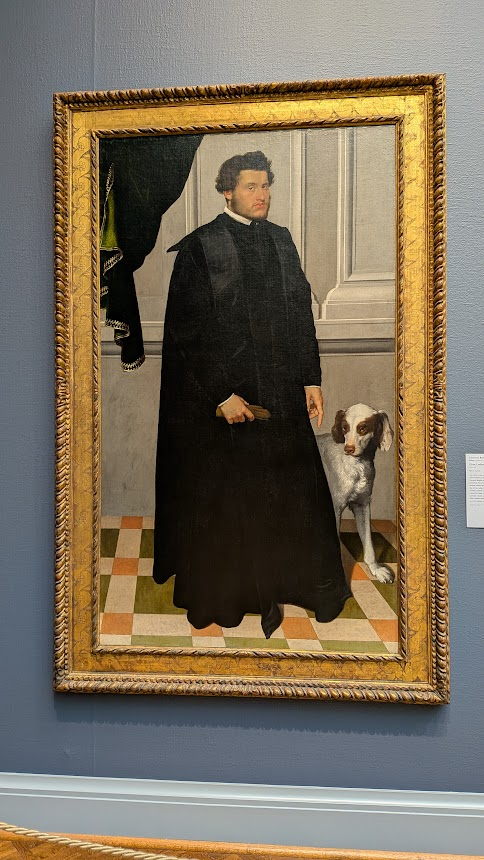
Europe, old masters, and all the drama
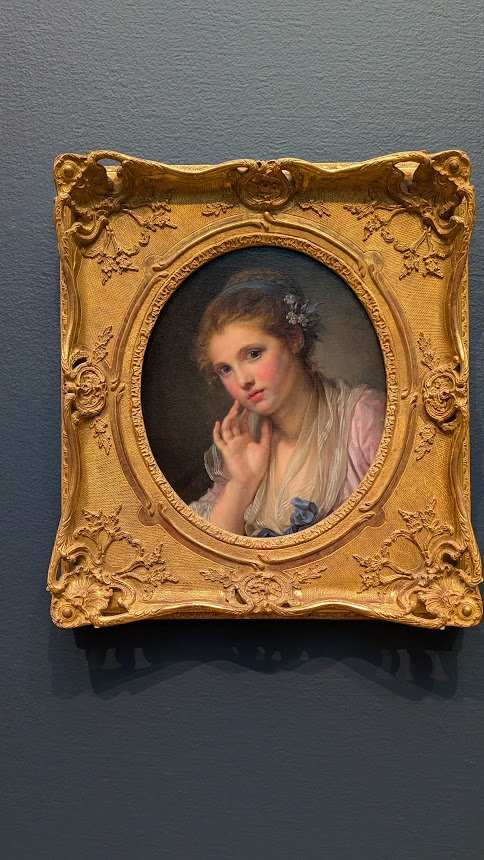
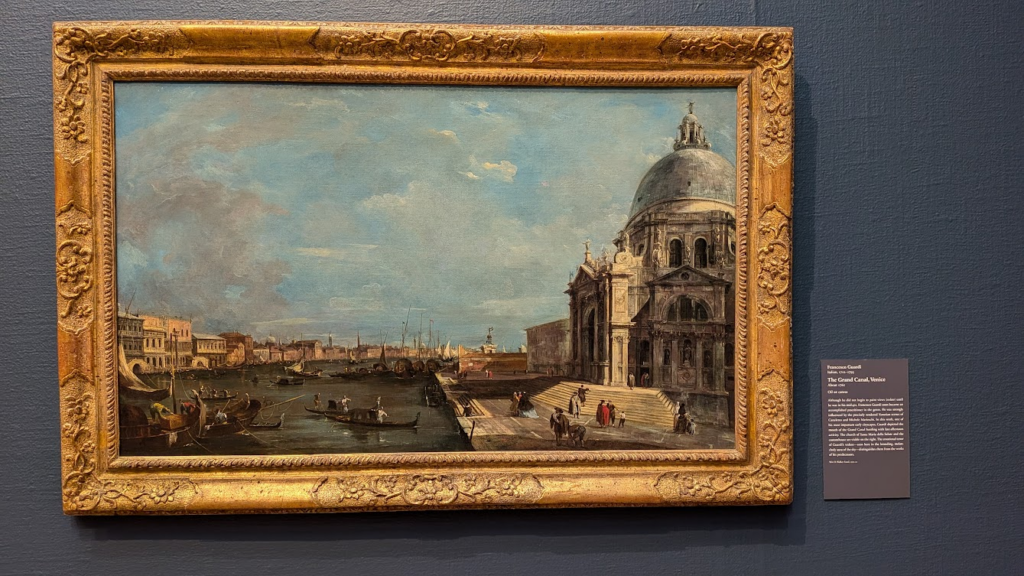
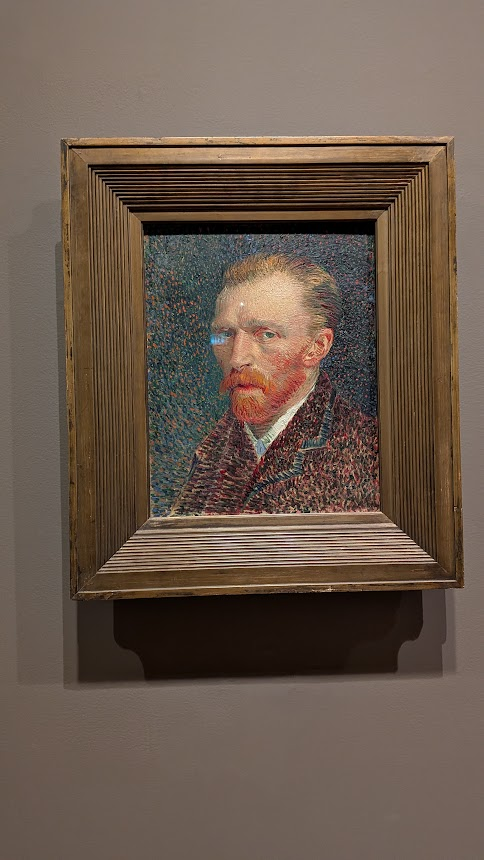
The Arts of Europe galleries delivered exactly what you want from a museum visit: beauty, intensity, and the sense that every canvas has a backstory. The museum’s European collection spans more than 4,000 works from the 12th through the late 19th century, including important Old Master paintings and especially notable holdings in the Impressionist era. This is the part of the visit where you slow down, look up, look back, and then somehow end up staring at a painting far longer than you planned. It’s a very good problem to have.
Impressionism done right
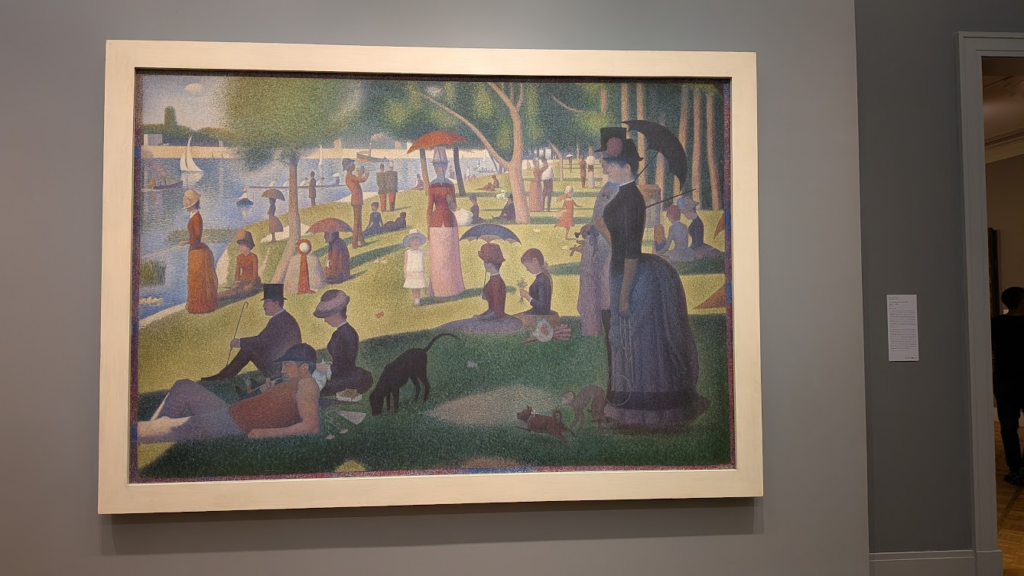
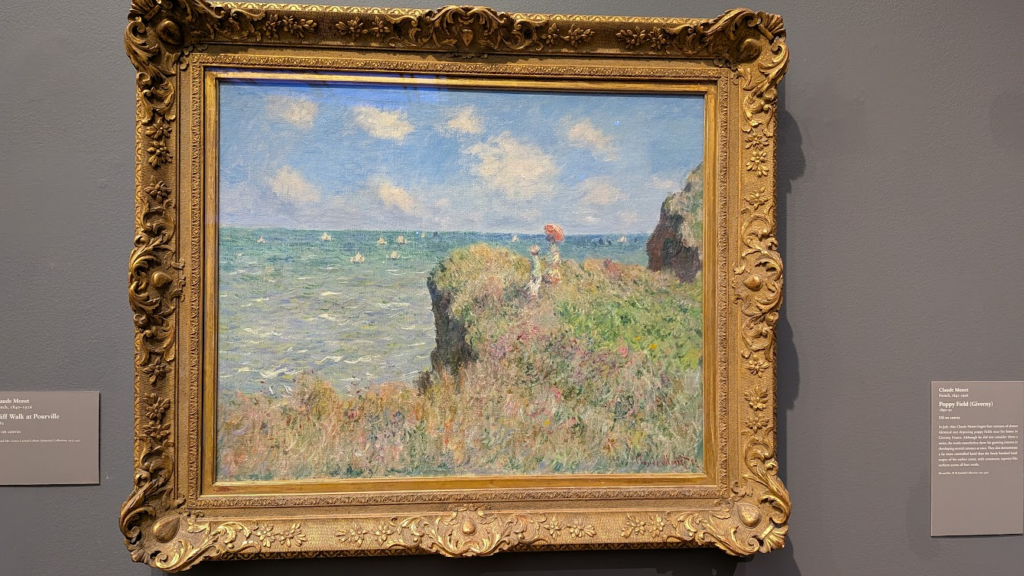
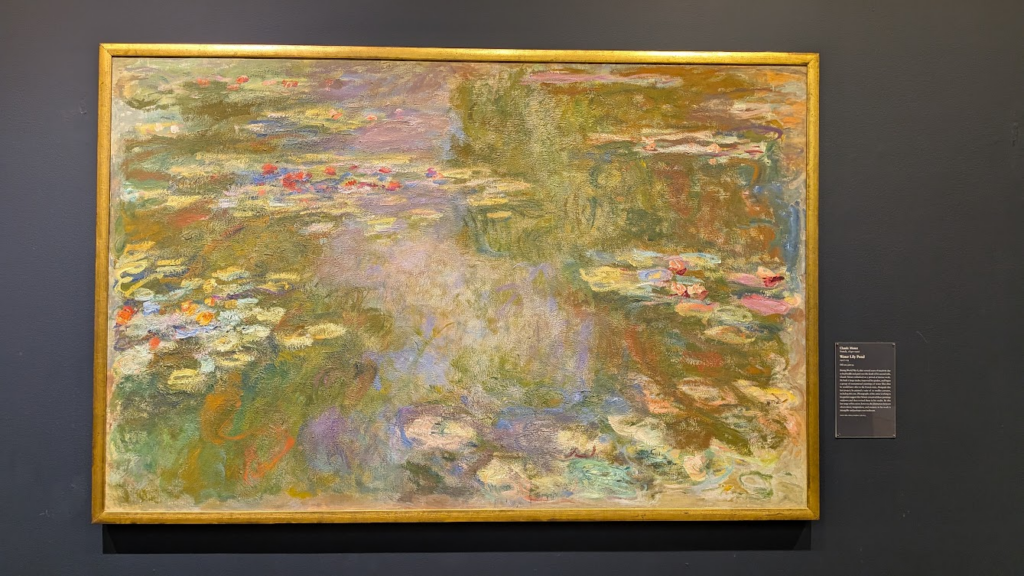
The Impressionism galleries were the heart of the day, and honestly, they always feel like a greatest-hits album. The Art Institute is especially known for its late 19th-century French art and has one of the strongest Impressionist collections in the world. Among the museum’s most famous works are Claude Monet’s Water Lilies and Stacks of Wheat, Pierre-Auguste Renoir’s Two Sisters (On the Terrace), Gustave Caillebotte’s Paris Street; Rainy Day, and Vincent van Gogh’s Bedroom in Arles. Seeing those pieces in person has that weirdly lovely effect of making a painting you’ve known forever suddenly feel new again.
Contemporary energy
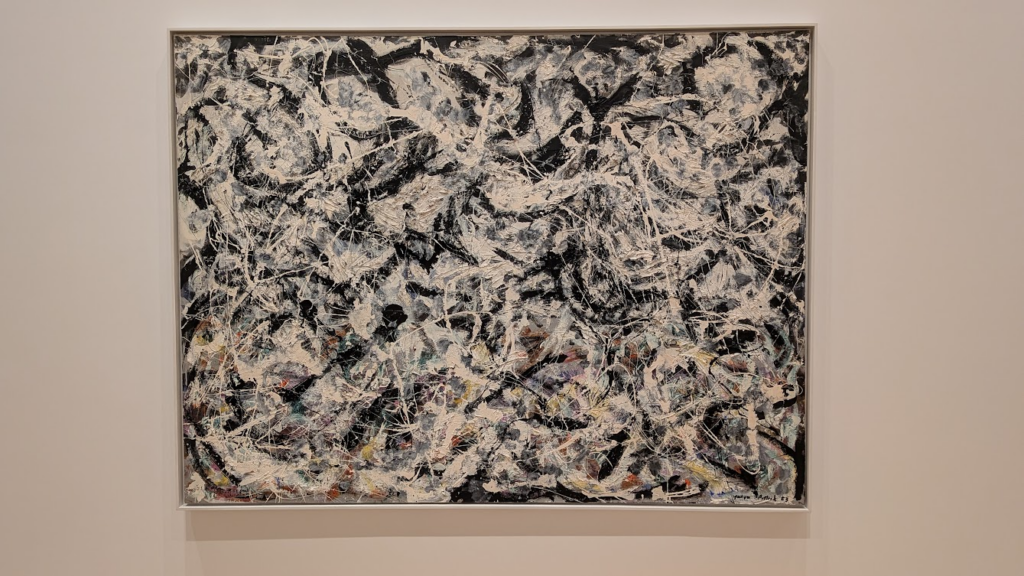
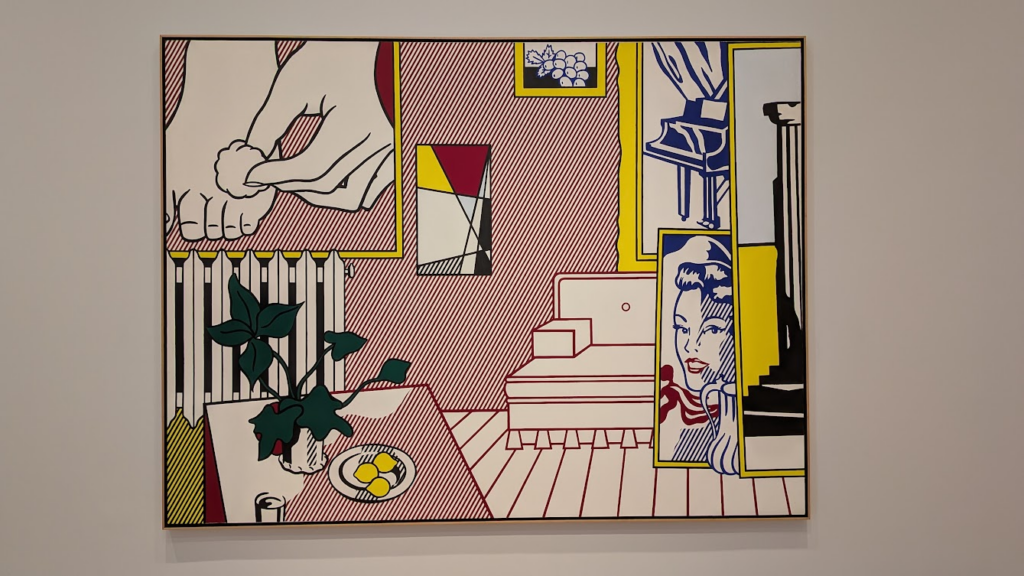
The Contemporary, 1945-present section gave the day a totally different rhythm. The museum’s modern and contemporary holdings were notably expanded by a major gift from Stefan Edlis and Gael Neeson, and the galleries include key works by artists such as Pablo Picasso, Henri Matisse, Constantin Brâncuși, and René Magritte. That shift from historic polish to postwar experimentation made the visit feel like a full sweep through art history rather than just a single era. It was the visual equivalent of switching from classical music to a very cool playlist.
The Americas highlight reel
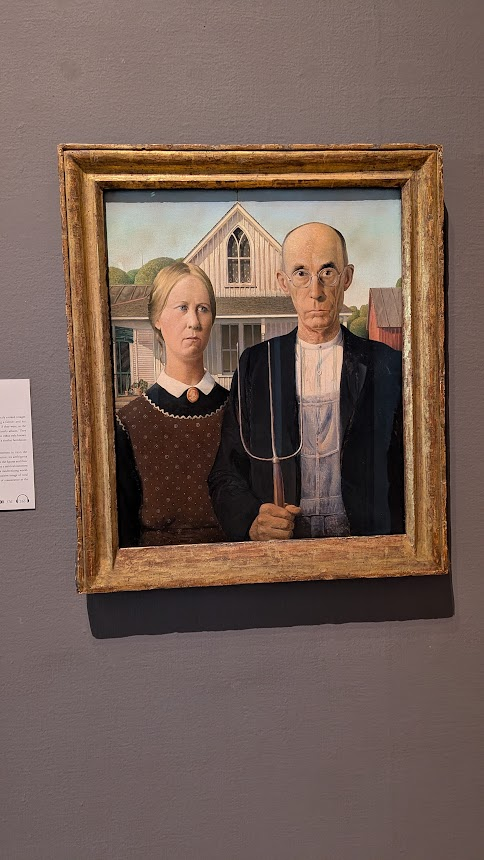
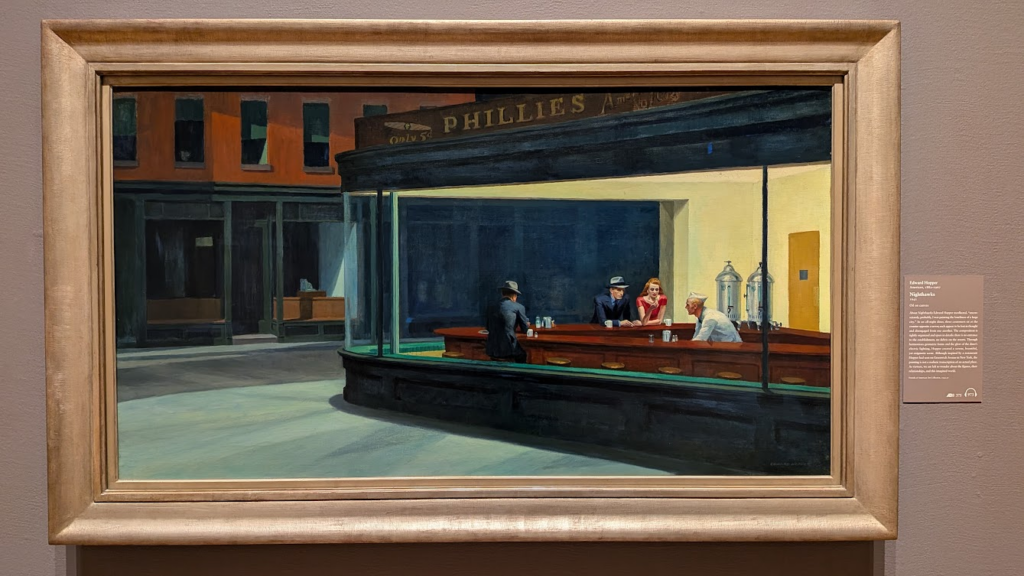
Arts of the Americas was packed with the kind of works that make you stop mid-walk and say, “Oh, there it is.” The museum describes this department as a diverse collection of nearly 4,600 objects from North, Central, and South America, and it is especially known for iconic paintings by American artists. The standout names here include Edward Hopper’s Nighthawks, Grant Wood’s American Gothic, Mary Cassatt’s The Child’s Bath, and Georgia O’Keeffe’s work, all of which help anchor the department’s reputation. That mix of familiar icons and deeper cuts is exactly what makes the gallery so satisfying.
The artworks we came for
Here’s the list of iconic works that were part of the day’s big-name lineup at the museum: Water Lilies, Stacks of Wheat, Two Sisters (On the Terrace), Paris Street; Rainy Day, Bedroom in Arles, Nighthawks, American Gothic, The Child’s Bath, and major works associated with the museum’s European and contemporary collections such as The Old Guitarist and Bathers by a River. That’s a seriously strong roster for one visit, and it made the whole day feel like a curated sprint through the museum’s greatest treasures. The best part was how each gallery had its own personality, but together they told one huge, beautiful story.