Hillwood Home feels like stepping into a very well‑appointed time capsule, the kind where the hostess is fabulously wealthy, wildly detail‑oriented, and determined that you notice every piece of art before you leave. We spent this visit mostly indoors in the mansion itself, saving the gardens for another day when we can give the azaleas and orchids the attention they clearly deserve.
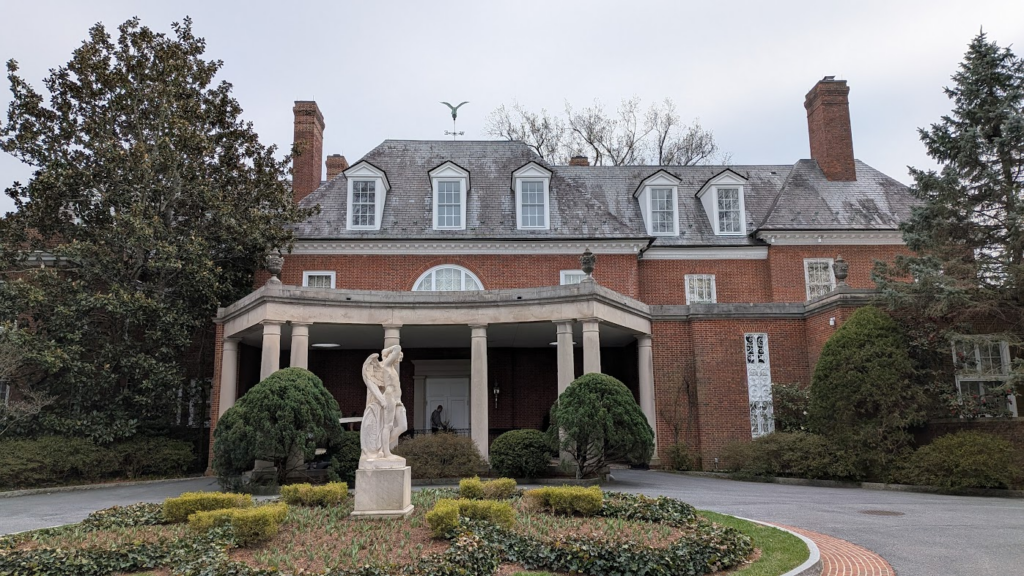
First impressions of the house
Hillwood started life as a 1920s neo‑Georgian mansion, but Marjorie Merriweather Post essentially redesigned it as her personal museum of Russian imperial treasures and French eighteenth‑century decorative arts. Room after room is packed with Sèvres porcelain, Gobelins tapestries, crystal chandeliers, and portraits of people who definitely never had to worry about doing their own laundry.
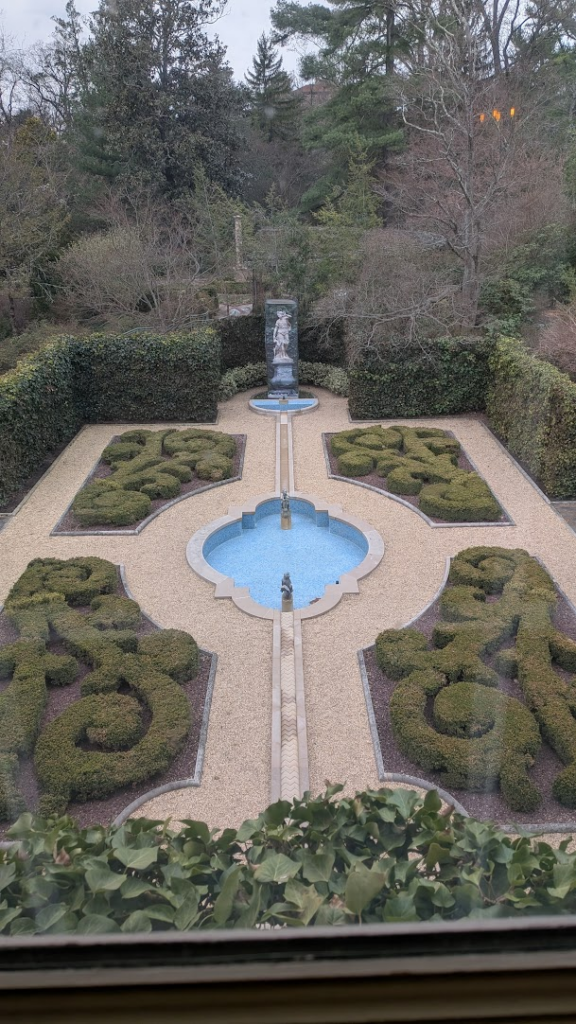
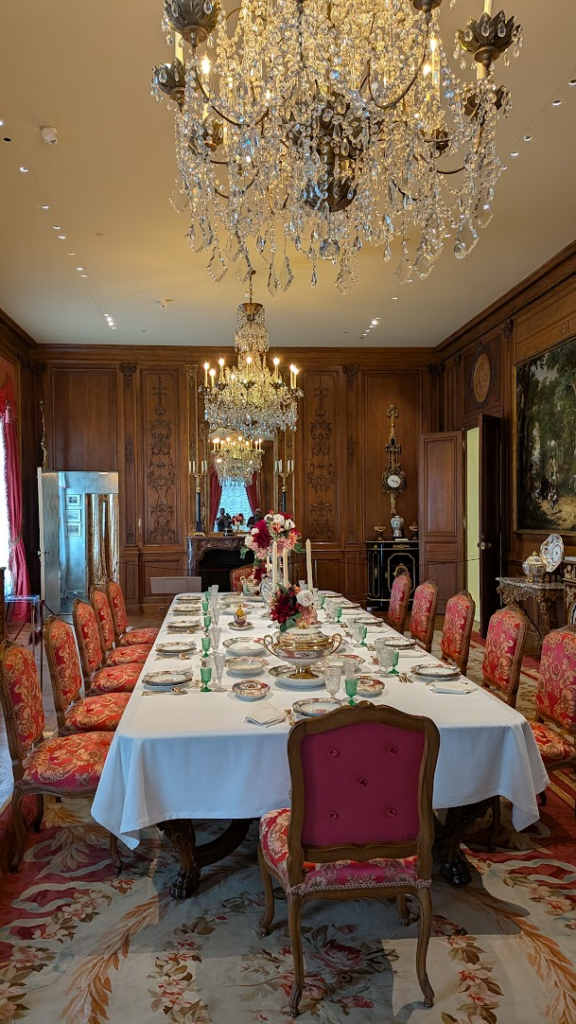
Walking in, it hits you that Post really did intend this to become a museum; she bought Hillwood in 1955 specifically planning to leave it to the public, and it officially opened as a museum in 1977. Today it holds more than 16,000 objects and one of the most comprehensive collections of Russian imperial art outside Russia, which is a fancy way of saying there is glitter everywhere.
A little Hillwood backstory
Marjorie Merriweather Post wasn’t just rich; she was strategic about it. She inherited and expanded the Post cereal fortune, then used that money (and a stint in Moscow while her third husband, Joseph Davies, was U.S. ambassador in the 1930s) to build a powerhouse collection of pre‑revolutionary Russian art.
The Russian pieces began as things she picked up while living in the Soviet Union—icons, chalices, porcelain, silver drinking vessels—and snowballed into a lifelong obsession. Her goal, in her own words, was to let Americans see how someone lived in the twentieth century who could collect art the way she did and to share that world with everyone, which suddenly makes all the velvet and gilt feel a bit more generous and a bit less show‑offy.
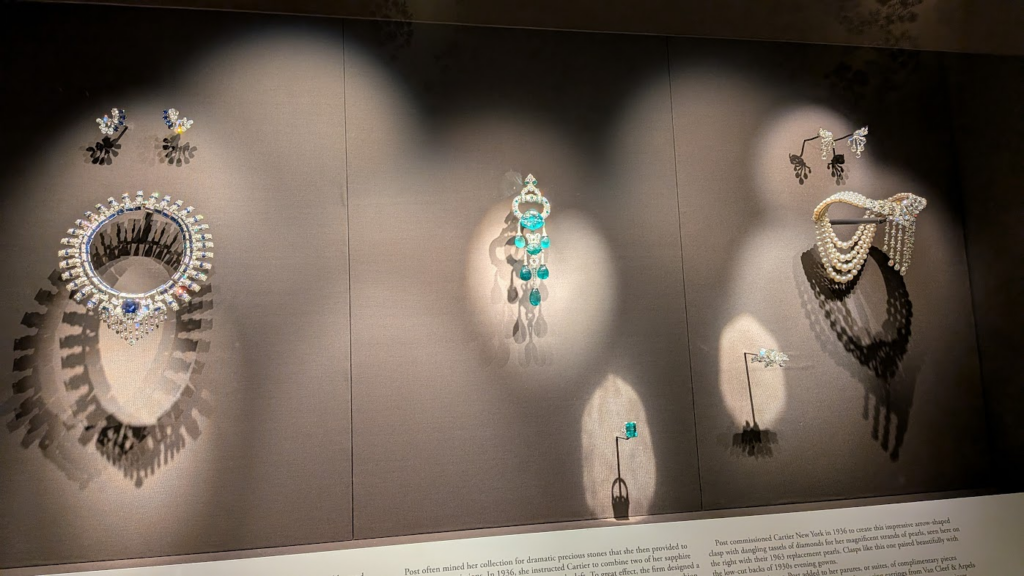
The Russian treasures that stole the show
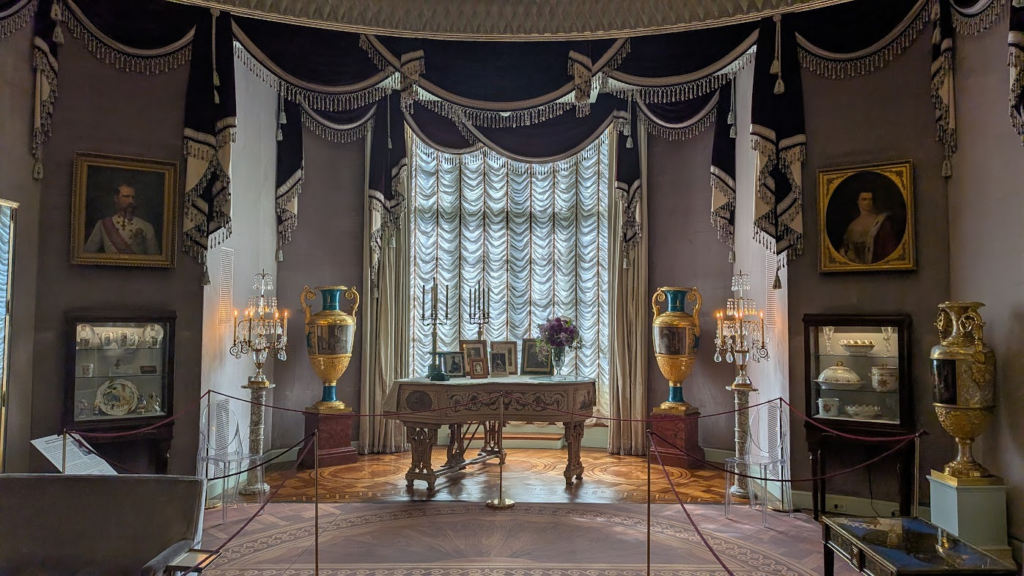
We made a beeline for the Russian collection, because if a place advertises “the largest collection of Russian imperial art outside Russia,” you follow that promise. Highlights that stopped us in our tracks:
- Two Imperial Fabergé Easter eggs, originally gifts from Tsar Nicholas II to his mother Maria Fedorovna, casually sitting in cases like it’s totally normal to own jewel‑encrusted eggs.
- A chasuble, an ornate Russian Orthodox vestment actually worn by a bishop at the coronation of Nicholas II in 1896, which feels less like an object and more like a piece of political history hanging on a mannequin.
- A luminous portrait of Catherine the Great in full imperial finery, radiating the energy of a woman who absolutely got things done.
- The dramatic painting A Boyar Wedding Feast by Konstantin Makovskii, which reads like a high‑definition snapshot of old‑Russia drama, complete with elaborate costumes and a sense that somebody in the room is about to start gossiping.
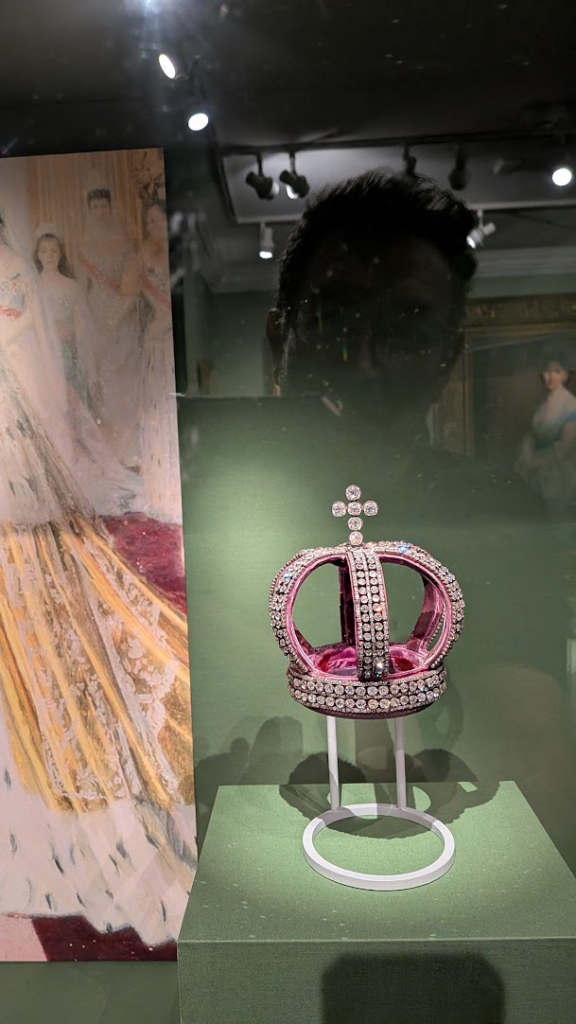
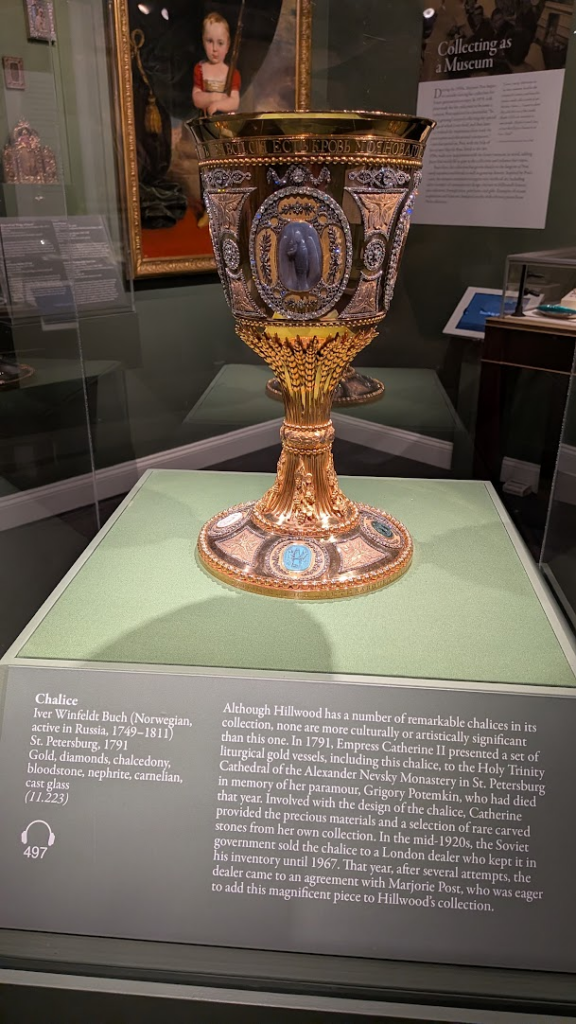
Tucked away are rooms full of icons and liturgical objects, forming one of the finest small icon collections in the U.S., all born from the curiosity that started when Post and Davies were first exposed to Russian sacred art in the 1930s. Standing there, it’s easy to imagine how strange and exotic these pieces must have seemed to their Washington friends when they first arrived.
The French rooms and all that porcelain
If the Russian rooms are all about empire and piety, the French rooms are pure eighteenth‑century luxury. Post collected French furniture and Sèvres porcelain intensely, and now Hillwood is home to one of the most important French decorative arts collections in the country, which basically means the pastel‑on‑porcelain game here is unmatched.
In the French drawing room, Beauvais tapestries based on François Boucher designs line the walls, framed like giant, woven paintings instead of hanging loose. Chairs upholstered in rare Gobelins tapestry fabric sit underneath glittering gold boxes and ranks of Sèvres pieces, including bleu céleste wares and even a Sèvres cup with a portrait of Benjamin Franklin if you go deeper into the porcelain collection. Somewhere in the house is an insanely intricate Roentgen rolltop desk from the 1770s, hiding some forty compartments and secret drawers, which feels perfectly on brand for a woman whose life was part diplomacy, part treasure hunt.
What we skipped (for now): the gardens
We deliberately did not go too far into the gardens this time, mostly to avoid the “why didn’t we bring a picnic blanket?” regret. Hillwood sits on about twenty‑five acres of landscaped gardens and woodlands, with spring azaleas and extensive greenhouses known for one of the country’s best orchid collections, so it deserves its own slow afternoon.
The plan is to come back in spring when the candy‑colored azaleas are showing off and treat the grounds like our private escape from DC chaos, even if we’re sharing that escape with a few other people who also appreciate a good imperial Fabergé egg. For now, Hillwood Home itself was more than enough—a house that feels like a love letter to art, excess, and the idea that your personal collection might someday belong to everyone.